What does this mean for your installation?
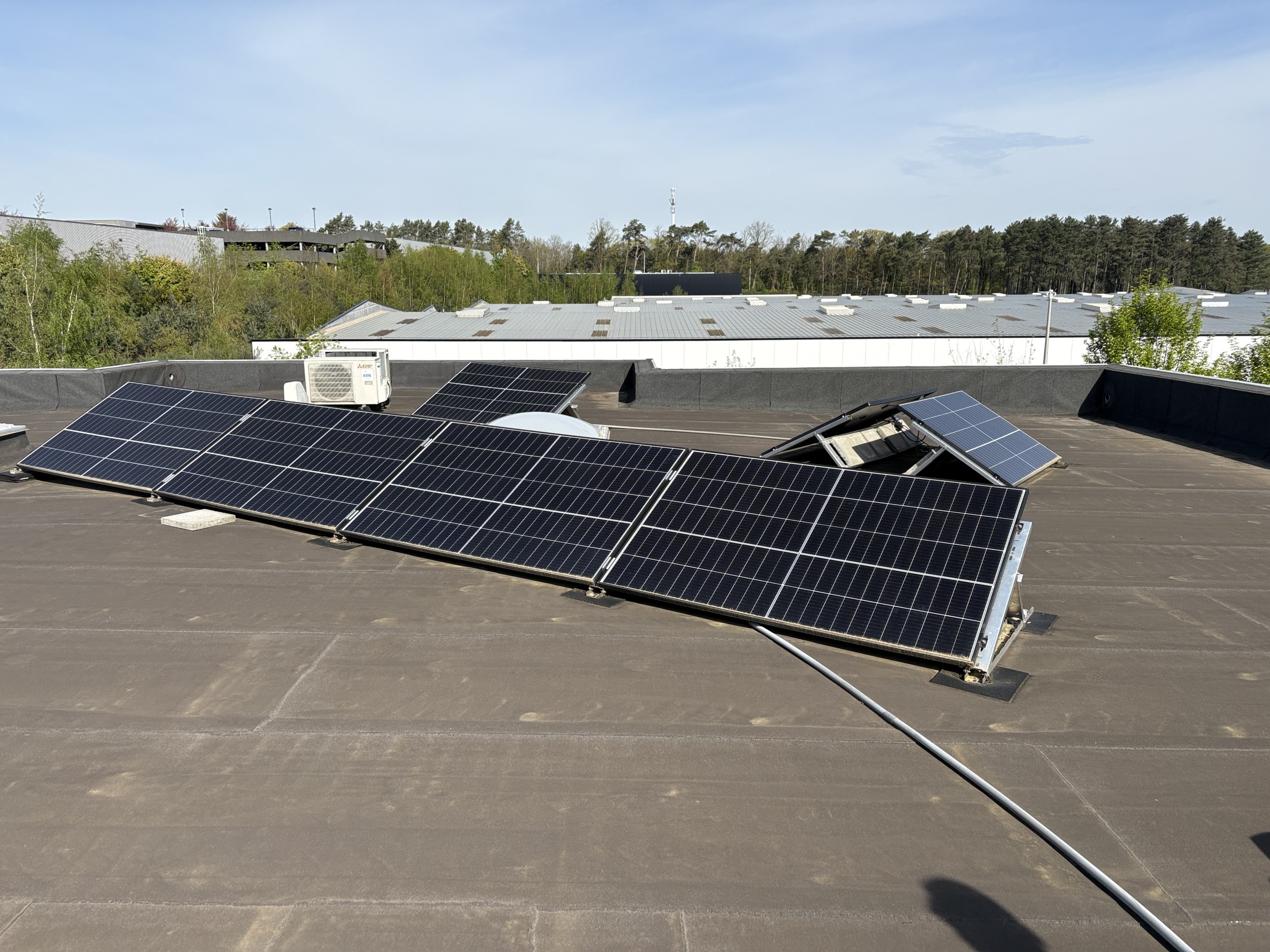
The ideal orientation depends on your situation. Do you want the maximum yield per panel? Then south remains the best choice. Do you want to increase self-consumption and reduce dependence on grid injection? Then an east-west setup is often the more interesting option. If you have enough roof space, an east-west configuration can even generate a higher total yield per square meter.
Sunshine hours make the difference
Besides orientation, the number of sunshine hours also plays a major role. In 2024, we recorded 1,365 sunshine hours. In 2025, that number increased to 1,838. More sunshine naturally leads to higher yields, regardless of panel orientation. However, it is striking that the increase in production does not fully keep pace with the increase in sunshine hours.
The hidden efficiency loss
An important nuance in this test: the panels have never been cleaned since installation. We do not see a sudden drop in performance, but we do notice a slight slowdown in yield growth. This points to dirt accumulation as a possible cause of performance loss.
“Installing solar panels is one thing. Ensuring they continue to perform optimally year after year is just as important,” says Jürgen Donné, CEO of Solar Assistance.
That is why we are currently conducting additional tests on the long-term impact of cleaning solar panels.
Conclusion: orientation matters, but it is not everything
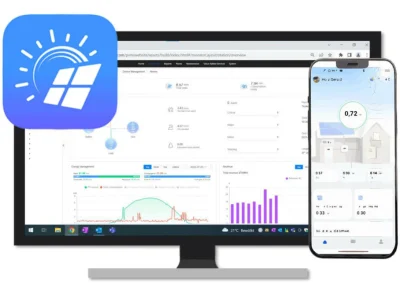
South remains the best choice for maximum yield per panel. East-west is often the smartest choice for those focusing on self-consumption and overall return. But in practice, the biggest difference is not only determined by panel orientation. The real return depends on what happens afterwards: monitoring, maintenance, and follow-up. That is often where the greatest gains can be achieved.