Solar panels on the job site: where do things go wrong?
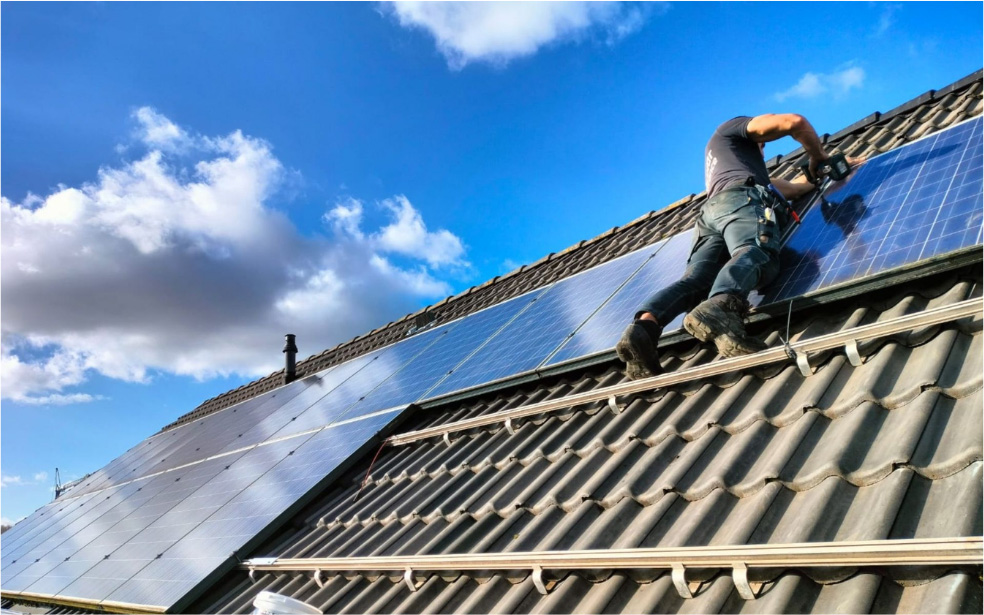
More and more roofs are equipped with solar panels. If a roof needs to be repaired, insulated, or replaced, those panels must first be removed and later put back in place. Many roofers do this themselves and also handle the cleaning if the panels become dirty during the works. It makes sense: you’re already up on the roof anyway. However, there is more to dismantling and reinstalling solar panels than meets the eye. A system that no longer functions correctly after the work is finished quickly leads to disputes with the customer—even if you, as a roofer, did nothing wrong.
At Solar Assistance, we already partner with various roofing companies. We support them on sites with solar panels and see in practice where things often go wrong. That is why we are sharing three tips to save you time, costs, and headaches.
1. Check the installation before you start
It happens more often than you think: after the roofing work, the system turns out to be malfunctioning. The customer links this to the work, and the roofer ends up paying for the repair—even if the problem already existed before the panels were removed from the roof.
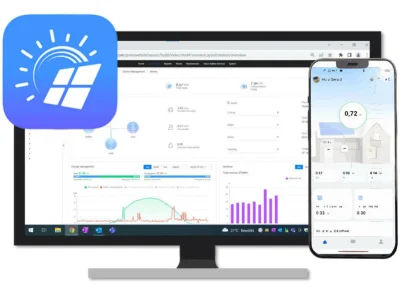
A quick check beforehand prevents such disputes. Check if the inverter is working without error messages and note the production from the past few days via the app or the display. Measure the voltage per string (a series of panels connected together to the inverter) so that you have a reference to compare with after reinstallation. Also, take photos of the panels, the cabling, and the mounting system. This way, visible damage such as cracks or discoloration is documented immediately.
Provide this data, including the date, to your customer before you start. This way, everyone knows the state the installation was in, and no disputes are possible afterwards.
2. Always use the correct installation materials
During dismantling and reinstallation, things sometimes break: a clamp that deforms, a bolt that strips, or a roof hook that no longer fits properly. Every brand and every mounting system uses its own bolts, nuts, clamps, and profiles. What looks similar at first glance does not always fit correctly.
Therefore, always replace damaged material with parts from the same system. A panel that is not properly secured is sensitive to wind loads, and a roof hook that does not fit correctly can cause leaks. Furthermore, the manufacturer’s warranty may be voided if non-compliant parts are used.
The same applies to the plugs in the cabling. MC4 connectors from different manufacturers look alike but are not intended to be combined. Poor contact can cause overheating and, in the worst case, fire.
3. Work with the right tools
Anyone dismantling and reinstalling solar panels needs more than a roofer’s standard toolkit. Think of a voltmeter or multimeter to measure voltage, an MC4 key to disconnect connectors without damaging them, and a torque wrench to tighten clamps with the correct force. If a new connector needs to be fitted to a cable, you will also need a suitable crimping tool.
With the right tools, you not only work much faster, but you can also be sure that the installation will function flawlessly after the work. Don’t forget that solar panels generate voltage as soon as light hits them. Therefore, always switch off the system correctly before disconnecting the cabling.